Leading Roofing Solutions: Safeguarding Your Home Is Secure and Secure
When assessing roofing solutions, homeowners encounter a variety of choices. Each material offers distinct advantages and disadvantages, influencing both safety and aesthetics. From the affordability of asphalt shingles to the elegance of clay tiles, the decision often copyrights on personal preference and local climate. Learning about these options is critical, as well as identifying the signs that indicate a need for repair or replacement. What factors should one weigh in making this essential choice?
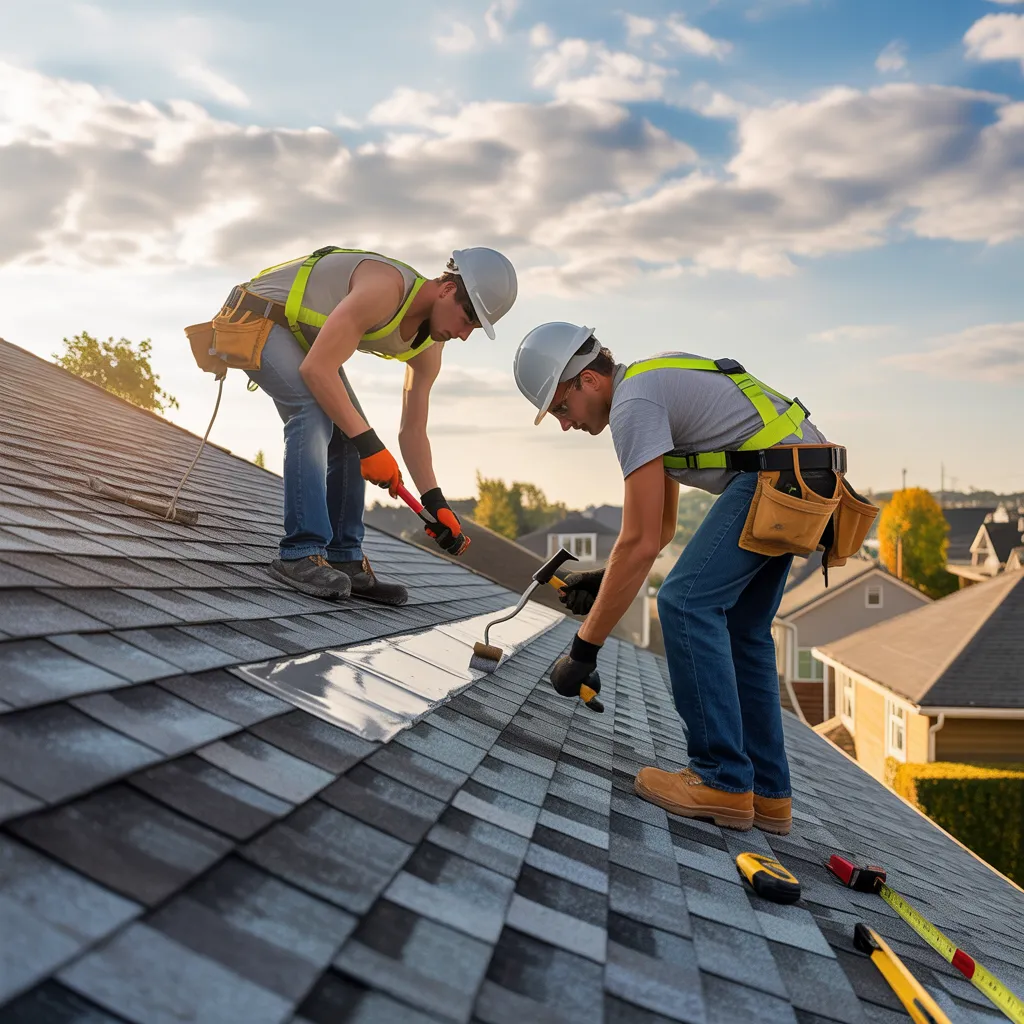
Review of Common Roofing Materials: Advantages and Disadvantages
When selecting roofing materials, homeowners often evaluate the benefits and drawbacks of different choices. Asphalt shingles are among the most widely used due to their cost-effectiveness and simple installation process, but they have a shorter lifespan compared to other materials. Clay tiles provide long-lasting performance and visual attractiveness, though their heaviness and increased expense can be difficult for some structures. Metal roofing is recognized for its extended lifespan and protection from severe climate conditions, yet it may introduce noise and expansion issues. Wood shingles supply rustic charm and thermal protection but demand regular maintenance to avoid rot and insect damage. Slate is known for its elegance and extreme durability but comes with a substantial cost and necessitates professional installation. Finally, synthetic options, like rubber or plastic, mimic traditional materials while often being less heavy and more cost-effective; however, their long-term performance can vary. Each material offers distinct strengths and weaknesses that homeowners must carefully evaluate.
The Expanding Interest in Metal Roof Materials
Metal roofing has seen a significant rise in demand among homeowners, supported by its impressive durability and power efficiency. Unlike traditional roofing materials, metal roofs can withstand extreme weather conditions, including heavy rain, snow, and high winds. This resilience not only extends the roof's lifespan but also minimizes the need for frequent repairs.
Additionally, metal roofing deflects solar heat, which can produce lower power bills during hot months. Homeowners are increasingly valuing its environmental sustainability, as many metal roofs are made from recycled content and are fully recyclable at the end of their life cycle.
The aesthetic versatility of metal roofing has contributed to its rise, with various color and style options that complement any home design. As interest for sustainable and long-lasting building materials rises, metal roofing emerges as a favored choice for today's homeowners seeking both usefulness and visual appeal.
The Key Benefits of Tile and Slate Roofing Materials
Tile and slate roofs delivers substantial benefits that appeal to homeowners looking for long-lasting solutions. Known for their durability and lifespan, these materials can withstand harsh climatic elements while preserving their integrity. Furthermore, the aesthetic options available enhance the appearance of properties, rendering them a preferred option in different architectural styles.
Endurance And Extended Life
A major advantage of tile and slate roofing offers exceptional durability and longevity. Both materials are recognized for their capacity to withstand harsh weather conditions, including heavy rain, snow, and extreme temperatures. Unlike traditional roofing materials, tile and slate are immune to rot, insects, and fire, which significantly reduces maintenance costs over time. Their lifespan can exceed 50 years, often lasting much longer with proper care, making them a worthwhile investment for homeowners. Additionally, their weight contributes to structural stability, providing further safeguarding against environmental stressors. By choosing tile or slate, homeowners can enjoy peace of mind knowing their roofing solution is built to endure, ultimately enhancing the overall safety and security of their homes.
Aesthetic Attraction Options
When evaluating roofing choices, homeowners often find that tile and slate roofing not only offers durability but also enhances the aesthetic appeal of their properties. These materials are available in a range of colors review now and styles, allowing homeowners to choose designs that match their architectural vision. Tile roofing, with its Mediterranean charm, provides a warm, inviting look, while slate roofing exudes sophistication and elegance. The natural textures and rich hues of slate add to a timeless appeal, making it a popular choice for upscale homes. Additionally, both materials are protected from fading, guaranteeing that their beauty lasts for decades. Ultimately, tile and slate roofing not only protects a home but also enhances its overall visual impact.
Benefits for Property Owners Using Asphalt Shingles for Roof Installation
Many property owners regard asphalt shingles as an perfect roofing selection due to their economical pricing and resilience. This type of roofing material is noted for its affordability, making it obtainable for a broad spectrum of budgets. In addition, asphalt shingles deliver a lifespan of 15 to 30 years, depending on the quality and maintenance, providing a solid investment for homeowners.
The selection of colors and styles offered facilitates customization to boost a home's aesthetic appeal. Furthermore, asphalt shingle products are relatively easy to fit, which can result in decreased labor fees. They also function effectively in different climatic situations, adding to their popularity.
Another significant advantage is their resistance to deterioration and harm from UV rays, guaranteeing that roofs preserve their look over time. Overall, asphalt shingles offer a practical and attractive roofing option for homeowners seeking reliability and value.
Premier Roofing Choices for Your Weather
Selecting the right roofing material is important, as it must handle the specific challenges presented by different climates. In cold regions, homeowners should focus on options that deliver insulation and prevent snow accumulation, while those in hot climates may take advantage of materials that reflect heat and boost energy efficiency. Understanding these aspects can guide effective roofing choices adapted to environmental conditions.
Cold Weather Factors
When homeowners in cold climates think about roofing options, they must examine material durability and insulation properties to cope with harsh weather conditions. The most reliable roofing materials include metal, asphalt shingles, and slate. Metal roofs offer outstanding durability and resistance to snow accumulation, while asphalt shingles provide a cost-effective solution with adequate insulation. Slate, though more expensive, offers remarkable durability and aesthetic appeal. Additionally, adequate insulation and air circulation are vital to prevent ice dam formation and moisture buildup, which can lead to structural damage. Homeowners should also review local building codes and climate-specific recommendations to guarantee their roof can endure heavy snowfall and extreme temperatures, ultimately safeguarding their homes against the elements.
Warm Weather Responses
In opposition to the challenges faced in cold climates, homeowners in hot regions must prioritize heat resistance and energy efficiency when picking roofing materials. Options such as reflective metal roofs are preferred for their ability to reflect sunlight, decreasing heat absorption. Clay and concrete tiles also deliver excellent thermal performance while delivering durability and aesthetic appeal. Additionally, cool roofing systems, which include special coatings that reflect more sunlight, can considerably lower indoor temperatures. Insulation plays an crucial role as well, assisting in maintaining a comfortable indoor environment. Ultimately, picking the right roofing solution not only boosts comfort but also contributes to energy savings, making it a significant consideration for homeowners in hot climates.
Signs You Need a Roof Swap or Fix?
How can occupants determine whether their roof requires new installation or repair? Several notable signs indicate potential issues. First, visible damage such as missing shingles, warped edges, or significant granule loss suggests deterioration. Homeowners should also check for water stains or saturated spots on ceilings and walls, which can signal leaks. If light is visible through spaces in the roof or attic, it indicates structural compromise.
Additionally, drooping sections may indicate hidden structural issues, demanding urgent action. A roof's maturity is also a vital factor; most roofs last between 20 to 25 years. If a roof is approaching this age and exhibits multiple indicators of deterioration, replacement may be required. Routine checks after intense storm conditions can help spot problems early. By acknowledging these indicators, property owners can make informed decisions about the condition of their roofs and guarantee their homes stay protected and sound.
How to Preserve Your Roof for Long-term Durability
Extended roof life calls for regular attention and a proactive approach to care. Inspecting the roof regularly, preferably two times a year, allows homeowners to notice any damage or wear. Such inspections include checks for missing shingles, cracks, and accumulated debris. It is essential to clean gutters because clogged ones can cause water to pool and create potential leaks.
Moreover, cutting back overhanging branches can prevent harm from falling limbs and reduce moss growth, which can damage roofing materials. Applying a protective sealant can also enhance longevity against harsh weather conditions.
Furthermore, ensuring proper ventilation in the attic helps control temperature and moisture levels, reducing the risk of rot and mold. Hiring an expert for regular upkeep can provide peace of mind, as experts can spot issues that may go unnoticed. By implementing these practices, homeowners can greatly extend the lifespan of their roofs, ensuring safety and security for their homes.
Frequently Raised Questions
How Do I Choose the Right Roofing Contractor?
When selecting the suitable roofing contractor, one must investigate credentials, check reviews, assess quotes, validate coverage, and ensure open communication. A meticulous selection method can produce a successful and satisfying roofing project.
Discovering the Standard Lifespan of Various Roofing Materials
Different roof types have varying durations: asphalt shingles last 15-30 years, metal roofs can endure 40-70 years, clay tiles often reach 50-100 years, and slate roofs may last over a century with proper maintenance.
Should You Think About Roof Warranties a Worthwhile Investment?
Roofing warranties may be worth the investment as they offer monetary safeguards from flaws and accelerated deterioration. However, their worth often depends on the quality of materials used and the particulars of the warranty terms included.
In What Ways Can I Further Improve My Roof's Energy Efficiency?
To optimize a roof's power efficiency, one can set up reflective roof options, reinforce insulation, plug leaks, and embed ventilation systems. These measures help stabilize temperature, reduce energy bills, and promote a more environmentally responsible home.
What Are the Charges Associated With a Roof Replacement?
The expenses related to a roof replacement generally fall from $5,000 to $20,000, based on materials, labor, and the roof's size. Other considerations encompass geographical location and the complexity of the roofing system.